Source 3 5 ton light cargo truck for Construction, Logistics, and Retail
Compare 30 available 3 5 ton light cargo truck models featuring diesel engines, manual transmissions, and various body styles. Buyers can evaluate specifications like load capacity, tire design, and customization options from manufacturers in China.
Key considerations
Products List


Comprehensive Sourcing Guide
Strategic Sourcing Guide for 3-5 Ton Light Cargo Trucks
The global market for light cargo trucks in the 3 to 5-ton capacity range represents a critical segment for logistics, municipal services, and last-mile delivery operations. Buyers entering this sector must navigate a complex landscape of technical specifications, regulatory compliance, and supply chain variables. Based on current market data, the procurement of these vehicles involves a diverse array of configurations, from flatbed and rack-body styles to specialized insulated units. The observed price range for these assets spans from $1,500 to $45,000, reflecting significant variance in brand positioning, customization levels, and regional manufacturing origins. Understanding the specific attributes of the supply base is essential for making informed decisions that align with operational requirements and budgetary constraints.
Technical Specifications and Configuration Analysis
When evaluating a 3-5 ton light cargo truck, the primary focus must be on the interplay between chassis capability, engine performance, and body configuration. The core powertrain for these units is predominantly diesel, with horsepower ratings generally observed below 150hp. This power band is optimized for urban and regional distribution where fuel efficiency and torque management are prioritized over high-speed highway performance. Buyers should note that engine capacity for many models in this segment is often less than 4 liters, which aligns with modern emission standards and fuel economy goals.
The transmission systems are frequently manual, offering a 5-speed forward and 1-reverse configuration. This setup provides drivers with direct control over gear selection, which is beneficial for stop-and-go traffic and varying load conditions. The drive wheel configuration is typically 4x2, ensuring a balance between traction and fuel consumption. Tire design is another critical technical variable; the market offers both radial and tubeless options. Radial tires are often preferred for their durability and ride comfort, while tubeless designs offer ease of maintenance. Buyers must verify the specific tire certification, as options may include ECE, GCC, ISO, and DOT standards depending on the target export market.
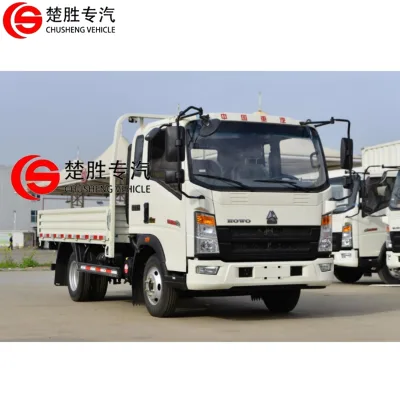
Body styles vary significantly based on the intended application. Common configurations include the flatbed style, which offers versatility for general cargo, and the rack-body style, which is ideal for specialized transport needs. For temperature-sensitive goods, insulation is a key feature, with heat preservation types ranging from foam materials to steel corrugated plates. The standard dimensions for these trucks often fall within specific ranges, such as lengths around 4.3 to 8.4 meters, with widths near 2.45 to 2.47 meters and heights up to 3.35 meters. However, these dimensions are not universal; they depend heavily on the specific model and customization requests.
Compliance, Certification, and Regulatory Standards
Navigating the regulatory landscape is a non-negotiable aspect of sourcing light cargo trucks. Manufacturers in this sector must adhere to rigorous international standards to ensure market access. Certification is a primary indicator of compliance, with ISO and CCC (China Compulsory Certification) being prevalent marks for vehicles originating from major manufacturing hubs like Hubei, China. Buyers should also look for specific tire certifications, which validate that the rubber components meet safety and performance criteria for specific regions, such as the European Economic Community (ECE) or the Gulf Cooperation Council (GCC).
Emission standards are another critical compliance factor. The market data indicates a strong alignment with Euro standards, which dictate the allowable levels of pollutants for diesel engines. For a 3-5 ton truck, ensuring the engine meets the required Euro standard is essential for legal operation in many jurisdictions. Additionally, the vehicle's load capacity is a regulated metric. While the target keyword specifies a 3-5 ton range, actual load capacities observed in the market can vary from 1 to 10 tons. Buyers must verify the Gross Vehicle Weight Rating (GVWR) against local road laws to avoid penalties.
Standardization of production is also evident in the documentation. Models such as the HYS5137GYYZ3 and ZZ1107 represent specific chassis configurations that have undergone standard testing. The production standards often reference specific dimensional tolerances, such as 5995x2470x3350 mm or 8440x2450x3350 mm. These figures are not merely descriptive but serve as benchmarks for regulatory approval and insurance classification. Buyers should request certification documents that explicitly link the vehicle model to these standards to ensure full compliance.
Cost Drivers and Pricing Structure
The pricing of light cargo trucks is influenced by a multitude of factors, resulting in the wide observed range of $1,500 to $45,000. At the lower end of the spectrum, prices may reflect basic configurations with minimal customization, standard manual transmissions, and simpler body styles like flatbeds. These units often serve as entry-level options for small businesses or those operating in markets with lower regulatory barriers. Conversely, the upper end of the price range typically corresponds to highly customized units featuring advanced safety features, air suspension drive seats, specialized insulation, and premium branding.
Customization is a significant cost driver. The ability to alter the configuration, color, and seating arrangements allows buyers to tailor the vehicle to specific operational needs, but it inevitably increases the unit cost. For instance, upgrading to an air suspension drive seat or selecting a specific heat preservation type like steel corrugated plates adds to the manufacturing complexity and material costs. Furthermore, the origin of the vehicle plays a role; trucks manufactured in established industrial regions like Hubei may benefit from economies of scale, yet shipping and logistics costs can vary based on the destination.
The Minimum Order Quantity (MOQ) also impacts the effective cost per unit. The market shows an MOQ range from 1 to 20,000 units. Buyers purchasing a single unit may face higher per-unit costs compared to those placing bulk orders. However, the flexibility of the supply chain allows for small batch purchases, which is advantageous for companies testing the market or those with limited fleet expansion plans. It is crucial for buyers to negotiate based on their specific volume requirements to optimize the total cost of ownership.
Typical Applications and Operational Use Cases
The versatility of the 3-5 ton light cargo truck makes it suitable for a wide array of applications. The flatbed style is particularly favored for general freight, construction materials, and equipment transport where the cargo does not require enclosure. The rack-body style is often utilized for specialized logistics, such as transporting pipes, steel beams, or other long items that require secure mounting. For the food and pharmaceutical industries, the insulated variants with foam or steel corrugated heat preservation are essential for maintaining temperature control during transit.
Urban delivery services also rely heavily on these vehicles due to their manageable size and maneuverability. With a wheelbase of approximately 2330mm and a compact overall length, these trucks can navigate tight city streets and access restricted zones that larger trucks cannot. The fuel tank capacity, often observed around 51 liters, provides a reasonable range for daily operations without frequent refueling stops. Additionally, the cooling system, typically water-cooled, ensures engine reliability in varying climate conditions, which is vital for year-round operations.
The load capacity of these trucks, ranging from 1 to 10 tons, allows them to handle diverse cargo weights. While the core keyword focuses on the 3-5 ton range, the ability to handle up to 10 tons in some configurations offers scalability for businesses with fluctuating demand. The tire design, whether radial or tubeless, further enhances their suitability for different road conditions, from paved highways to rougher industrial sites.
Supplier Evaluation and Quality Control
Selecting a reliable supplier is paramount to ensuring the longevity and performance of the fleet. Buyers should prioritize suppliers who demonstrate transparency in their production processes and offer comprehensive after-sales support. The market data indicates that after-sales service periods typically range from 6 to 12 months, providing a baseline for warranty coverage. A supplier's ability to offer customization, such as changing the configuration or color, is also a strong indicator of their manufacturing flexibility and customer-centric approach.
Quality control should be a central component of the evaluation process. Buyers must verify that the vehicles meet the specified standards, such as the ISO and CCC certifications mentioned earlier. Inspecting the build quality of critical components, such as the suspension system (with 5 front and 6 rear leaf springs observed in some models) and the axle load distribution (front 0.5t, rear 0.8t), is essential. The condition of the vehicle, which is typically listed as "New," should be confirmed through physical inspection or third-party verification to ensure there are no defects or previous usage issues.
Packaging is another aspect of quality control. Options range from nude packing to nude packing after painted wax, or bulk cargo shipping via RO-RO vessels. The chosen packaging method should protect the vehicle during transit, especially for international shipments. Buyers should also inquire about the delivery details, which are often specified as within 30 days after payment receipt. Adherence to these timelines is a key performance indicator for supplier reliability.
Long-Term Procurement and Fleet Management
For organizations planning to expand their fleet, long-term procurement considerations extend beyond the initial purchase price. The availability of spare parts and the robustness of the after-sales service network are critical factors. A supplier that offers a 6-12 month service period should also have a clear protocol for handling warranty claims and providing technical support. The customization options available, such as the ability to change the configuration, allow for future-proofing the fleet against changing operational needs.
Maintenance costs are influenced by the technical specifications of the truck. A manual transmission with a 5-speed forward and 1-reverse setup is generally easier and less expensive to maintain than more complex automatic systems. The cooling system and engine capacity also play a role in long-term operational costs; a 4-liter diesel engine with water cooling is designed for efficiency and durability, reducing the frequency of major repairs. Buyers should also consider the tire certification and design, as high-quality tires can significantly reduce downtime and maintenance expenses.
Finally, the resale value of the vehicle is an important consideration. Trucks from reputable brands like SINOTRUK, which are known for their reliability and widespread service networks, tend to retain value better than lesser-known brands. The standard dimensions and compliance with international standards also enhance the vehicle's marketability in the secondary market. By carefully evaluating these long-term factors, buyers can ensure that their investment in 3-5 ton light cargo trucks delivers sustained value and operational efficiency.
Comparative Analysis of Key Attributes
To facilitate a clearer understanding of the market offerings, the following table summarizes the key attributes observed in the 3-5 ton light cargo truck segment. This comparison highlights the diversity in specifications and helps buyers identify the features most relevant to their specific needs.
| Attribute Category | Common Observation | Variance/Options | Relevance to Buyer |
|---|---|---|---|
| Engine Power | Diesel, <150hp | Engine Capacity <4L | Determines fuel efficiency and torque |
| Transmission | Manual | 5 Speed Forward & 1 Reverse | Affects driver control and maintenance |
| Drive Wheel | 4x2 | Standard Configuration | Influences traction and stability |
| Tire Design | Radial / Tubeless | Certifications: ECE, GCC, ISO, DOT | Critical for road safety and legal compliance |
| Body Style | Flatbed / Rack-body | Insulation: Foam or Steel Corrugated | Matches cargo type and transport needs |
| Load Capacity | 1-10t | Specific models vary | Must align with local regulations and cargo |
| Origin | China (Hubei) | Various manufacturing hubs | Impacts shipping costs and lead times |
| Certification | ISO, CCC, DOT | Regional variations (ECE, GCC) | Essential for market entry and insurance |
| Packing | Nude / Bulk / RO-RO | Painted Wax options | Protects vehicle during transit |
| After-Sale | 6-12 Months | Service network availability | Ensures long-term operational support |
This comparative overview underscores the importance of aligning specific technical requirements with the available market options. By carefully reviewing these attributes, buyers can make informed decisions that optimize their fleet's performance, compliance, and cost-effectiveness.
FAQs
What engine specifications are typical for these trucks?
These trucks typically use diesel engines with horsepower under 150hp and capacity less than 4 liters. They often feature a manual transmission with five forward and one reverse gear, optimized for fuel efficiency in urban and regional distribution.
Which certifications are required for international shipping?
Vehicles often carry ISO and CCC certifications, with tire certifications including ECE, GCC, ISO, and DOT. Buyers must verify specific tire standards against their target export market to ensure full regulatory compliance for road safety.
Can the truck configuration be customized for specific needs?
Yes, customization is available for configuration, color, and seating arrangements. Buyers can select from flatbed or rack-body styles and choose heat preservation types like foam material or steel corrugated plates for specialized cargo transport.
What is the typical delivery lead time after payment?
Delivery is usually completed within 30 days after receiving payment. This timeline applies to standard orders, though bulk purchases or complex customizations may require specific negotiation regarding the final schedule and production capacity.
How does the load capacity vary across different models?
Load capacity ranges from 1 to 10 tons depending on the specific model and chassis configuration. While the core segment targets 3 to 5 tons, some units are rated for light to medium loads up to 10 tons for versatile logistics.
What are the standard dimensions for these cargo trucks?
Standard dimensions vary by model, with lengths around 4.3 to 8.4 meters and widths near 2.45 to 2.47 meters. Specific models like the HYS5137GYYZ3 have defined standards such as 5995x2470x3350 mm for regulatory and insurance classification.
What after-sales service is typically provided by suppliers?
Suppliers typically offer after-sales service periods ranging from 6 to 12 months. This warranty coverage includes support for maintenance and technical issues, ensuring reliability for fleet operations during the initial period of ownership.